
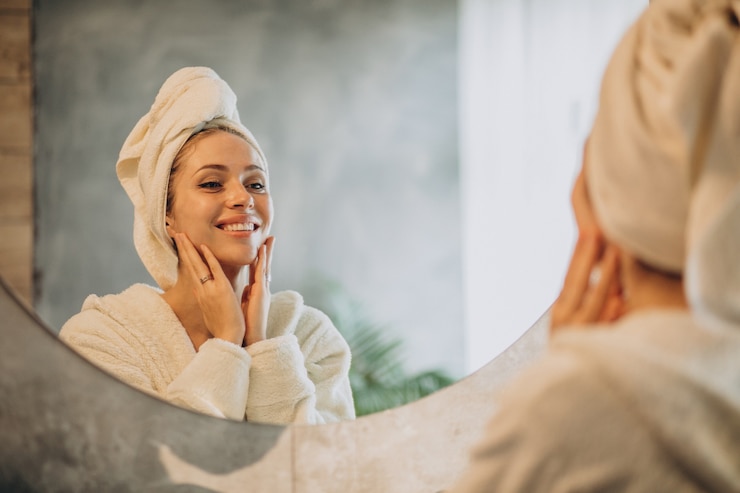
In the world of beauty and skincare, “hydration” and “moisturization” are often used interchangeably—but they’re not the same. Understanding the difference between these two essential skincare concepts can change the way you care for your skin and dramatically improve your results. Whether you’re dealing with dry patches, oily shine, or sensitivity, knowing what your skin truly needs is the first step toward healthier, more radiant skin.
Across the USA, from the dry deserts of Arizona to the humid summers in Florida, climate plays a huge role in how your skin behaves. That’s why choosing the right products—and using them the right way—can make all the difference in your beauty and skincare routine.
What Is Hydration?
Hydration refers to the water content in your skin cells. When your skin is hydrated, it appears plump, soft, and smooth. Dehydrated skin, on the other hand, looks dull, feels tight, and may show fine lines more prominently—even if it’s oily.
Hydrating products are designed to increase the water content of the skin. These typically contain humectants—ingredients that attract water from the environment or from deeper layers of your skin to the surface.
Common hydrating ingredients:
-
Hyaluronic acid
-
Glycerin
-
Aloe vera
-
Panthenol
If you live in a dry region of the USA like Nevada, using hydrating serums or toners can be essential to keeping your skin balanced and comfortable.
What Is Moisturization?
Moisturization, by contrast, is about locking in that hydration. Moisturizers create a barrier on the surface of the skin to prevent water loss. Even if your skin is well-hydrated, without a moisturizer to seal it in, that water can quickly evaporate.
Moisturizing products typically include emollients and occlusives that soften the skin and reinforce the skin barrier.
Common moisturizing ingredients:
-
Shea butter
-
Squalane
-
Ceramides
-
Plant oils (like jojoba or argan)
This step is especially critical in colder USA states like Michigan or New York, where indoor heating and low humidity levels can severely dry out the skin.
Why Understanding Hydration vs. Moisturization Matters in Beauty and Skincare
Getting your beauty and skincare routine right means knowing when your skin needs hydration, moisturization, or both. Many people mistakenly use heavy creams when their skin is dehydrated, thinking it will solve the problem. In reality, without hydrating ingredients, moisturizers alone won’t add water to the skin—they’ll just trap what’s already there.
Conversely, using hydrating serums without following up with a moisturizer can leave your skin feeling tighter than before, especially in dry climates across the USA.
Signs your skin needs hydration:
-
Feels tight or rough
-
Appears dull
-
Fine lines are more noticeable
-
Feels oily but still dry underneath
Signs your skin needs moisturization:
-
Feels dry or flaky
-
Looks red or irritated
-
Reacts easily to weather changes
-
Makeup doesn’t sit well on skin
Understanding this difference will elevate your beauty and skincare results and help you choose the right product for each step.
How to Build a Routine That Does Both
To get the best of both worlds, layer hydrating and moisturizing products. This method works for all skin types—from oily to dry—and helps strengthen your skin’s barrier while maintaining proper moisture balance.
Step-by-step:
-
Cleanse – Use a gentle, non-stripping cleanser.
-
Hydrate – Apply a serum with hyaluronic acid or glycerin on damp skin.
-
Moisturize – Seal in hydration with a moisturizer that suits your skin type.
-
Protect (morning only) – Finish with SPF, a must-have in every USA location.
Adjust your routine based on seasonal needs. For example, increase hydration during hot summers in Texas, and add richer moisturizers during harsh Midwest winters.
Common Mistakes to Avoid
-
Skipping moisturizer after serum: Always follow hydration with a seal to prevent water loss.
-
Overloading heavy creams on oily skin: Use lightweight gel-based moisturizers if your skin is oil-prone.
-
Ignoring hydration if you have acne: Dehydrated skin can overcompensate with excess oil, worsening breakouts.
-
Not adjusting for your climate: Your skin’s needs in California won’t be the same as in Alaska.
Proper layering is key to maximizing results in any beauty and skincare routine.
Trusted Ingredients to Look For
When shopping for hydrating and moisturizing products, look for these science-backed ingredients:
| Purpose | Ingredients |
|---|---|
| Hydration | Hyaluronic acid, aloe vera, glycerin |
| Moisturization | Ceramides, squalane, jojoba oil |
Many of these can be found in reputable USA-based brands like CeraVe, Neutrogena, and Paula’s Choice.
Final Thoughts
Understanding the difference between hydration and moisturization is a game-changer in your beauty and skincare journey. It’s not just about applying products—it’s about knowing what your skin actually needs and when. A balanced approach helps your skin stay resilient, smooth, and glowing, no matter the season or location.
Ready to give your skin what it really needs? Browse our curated selection of hydrating serums and moisturizers, specially chosen for every skin type and climate across the USA.
FAQs
1. What’s the main difference between hydration and moisturization in beauty and skincare?
Hydration adds water to the skin, while moisturization locks it in. Both are essential for healthy, balanced skin, especially in varying USA climates.
2. How do I know if my skin needs hydration or moisturization?
If your skin feels tight and dull, it likely needs hydration. If it feels dry and flaky, it needs moisturization. Most skin types benefit from both.
3. Can oily skin still be dehydrated in beauty and skincare?
Yes. Oily skin can lack water, leading to excess sebum production. Use lightweight hydrating products followed by an oil-free moisturizer.
4. Should I use different products in summer and winter for better beauty and skincare?
Yes. Warmer USA regions may need more hydration, while colder areas require richer moisturizers to protect against dryness and irritation.
5. What are the best ingredients for hydration and moisturization in beauty and skincare?
For hydration, look for hyaluronic acid and glycerin. For moisturization, opt for ceramides, shea butter, or squalane depending on your skin type.