
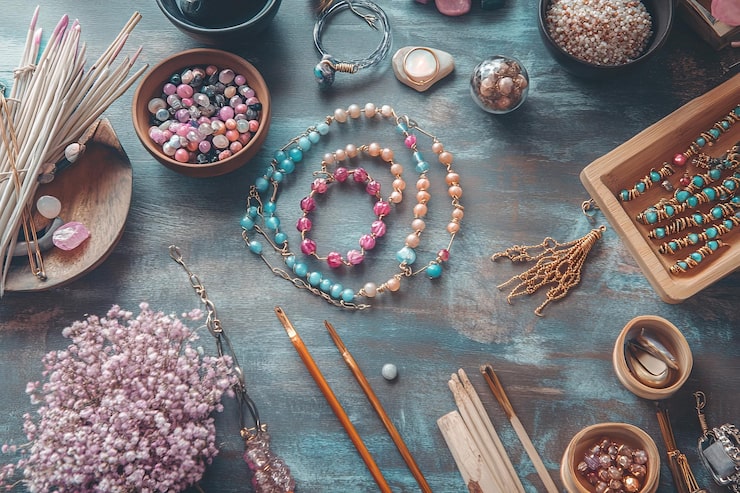
Accessories can make or break an outfit. Matching them with your outfit’s color palette ensures a cohesive, polished, and stylish look. Whether it’s jewelry, handbags, shoes, or belts, the right color coordination highlights your personal style while enhancing your overall appearance.
Understanding how to pair accessories with your clothing colors helps you create balance, harmony, and visual interest. In 2025, fashion is about expressing individuality through thoughtful combinations rather than relying on random matching.
Understanding Color Theory
Color theory is a useful tool for matching accessories with your outfit. Complementary colors sit opposite each other on the color wheel, creating bold, striking combinations. Analogous colors sit next to each other and provide a harmonious, subtle effect. Neutral colors like black, white, beige, and gray can pair with almost anything, offering versatility.
Fashion authorities, such as Vogue and Harper’s Bazaar, emphasize that mastering color theory allows you to make intentional, stylish choices instead of guessing. Using this knowledge ensures your accessories enhance rather than clash with your outfit.
Matching Jewelry With Outfit Colors
Jewelry is often the first accessory people notice. For outfits in cool tones like blues, purples, and greens, silver or white gold pieces enhance the palette. Warm tones like reds, oranges, and yellows pair beautifully with gold, rose gold, or brass.
Gemstones can also complement or contrast your outfit strategically. For example, emerald earrings with a green dress create a tonal look, while ruby jewelry adds a striking contrast. Fashion experts note that jewelry matching enhances your style statement subtly and elegantly.
Handbags and Clutches
Handbags and clutches are essential accessories for completing your outfit. Neutral colors like black, beige, or white can complement almost any outfit, while bold colors can serve as statement pieces. Matching the handbag color with shoes or minor outfit elements creates harmony.
For example, a pastel bag paired with pastel shoes or a small accessory detail draws attention without overwhelming your look. According to Cosmopolitan, thoughtfully chosen bags can elevate your outfit instantly while keeping your style cohesive.
Shoes That Complement Your Colors
Shoes are another critical element for color coordination. Nude or black shoes are versatile for multiple outfits. Matching shoe colors to your outfit’s primary or secondary tones creates a polished look. For a pop of color, choose a shoe that contrasts tastefully with your main clothing color.
Fashion authorities highlight that shoes act as anchors for your outfit. Coordinating colors carefully ensures your ensemble looks intentional rather than mismatched.
Belts, Scarves, and Other Accessories
Small accessories like belts, scarves, and hair pieces can subtly tie an outfit together. A scarf in a complementary color can break up monotony and create visual interest. Belts in neutral or matching shades enhance structure and proportion.
Mixing textures and patterns with coordinated colors adds depth without clutter. Experts recommend using accessories to reinforce the outfit’s color palette, making your look cohesive and fashion-forward.
Tips for Matching Accessories With Multi-Color Outfits
Multi-color outfits require thoughtful accessory choices. Select accessories in one of the dominant colors or neutral tones to balance the look. Avoid introducing too many additional colors, which can make the outfit appear chaotic.
Layering accessories in complementary shades or subtle metallics adds elegance. According to Elle, focusing on one or two accessory colors when wearing multicolored outfits ensures sophistication and cohesion.
Experimenting With Color Blocking
Color blocking is a bold fashion technique where contrasting colors are paired for dramatic effect. Accessories in complementary or contrasting shades can emphasize this trend. For instance, a red dress paired with teal or cobalt accessories creates a striking, stylish statement.
Fashion authorities emphasize that color blocking requires confidence and intention. Accessories should be used sparingly to maintain balance while enhancing visual impact.
Conclusion
Matching your accessories with your outfit’s color palette is a key strategy for polished and cohesive styling. Jewelry, handbags, shoes, belts, and scarves all contribute to a well-coordinated look. By understanding color theory, considering neutral and bold options, and experimenting with contrasts or complements, you can elevate any outfit effortlessly.
Explore our curated collection of accessories designed to match diverse color palettes, and discover how simple, thoughtful pairings can transform your wardrobe and enhance your personal style.
FAQs About How to Match Your Accessories With Your Outfit’s Color Palette
1. How do I match accessories with my outfit’s color palette?
Start by identifying the dominant colors in your outfit. Choose accessories in complementary, analogous, or neutral shades to create balance and style cohesion.
2. What jewelry works best with cool or warm-toned outfits?
Silver and white gold complement cool tones like blues and greens. Gold, rose gold, or brass enhances warm tones like reds, yellows, and oranges.
3. Can neutral accessories work with multicolor outfits?
Yes. Neutral handbags, shoes, and belts balance vibrant or multi-colored clothing, creating a cohesive and polished appearance.
4. How do I use shoes and belts to match my outfit’s colors?
Coordinate shoes and belts with the outfit’s primary colors or minor accent shades. This creates a polished, intentional look without overwhelming the outfit.
5. Can I use contrasting colors in accessories effectively?
Yes. Thoughtful contrasting accessories can create striking, stylish statements. Use color theory to ensure combinations are balanced and visually appealing.