
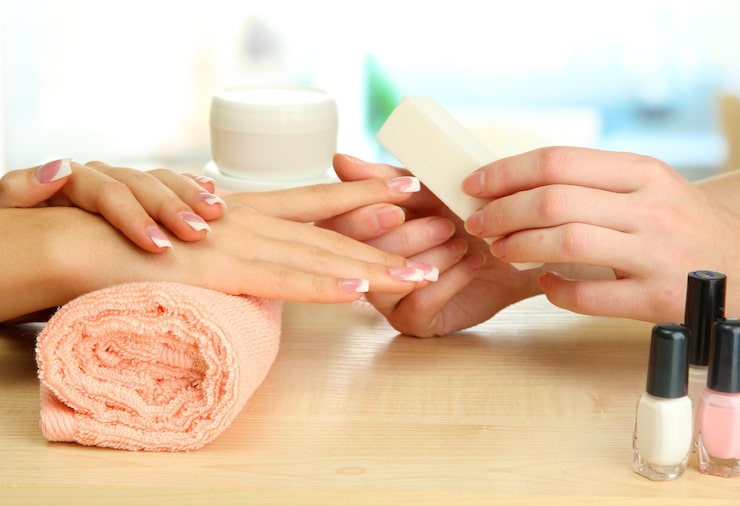
Strong, healthy nails are not just about appearance. They are often a reflection of consistent habits and smart product choices. Many people treat nail care as an afterthought, only paying attention when nails break, peel, or look dull. In reality, nail care works best when it becomes part of your regular self-care routine. Across the USA, changing climates, frequent hand washing, and lifestyle stress all impact nail health more than people realize.
Good nail care does not require expensive salon visits or complicated routines. It requires understanding what your nails need and avoiding habits that weaken them over time. This guide breaks down practical, everyday nail care tips that actually work. The goal is stronger, healthier nails that look good naturally and stay resilient.
Why Nail Care Matters More Than You Think
Nails are made of keratin, the same protein found in hair and skin. When nails are brittle, peeling, or slow-growing, it is often due to dehydration, improper care, or external damage. Nail care helps maintain moisture balance and protects the nail structure. Without consistent nail care, even the best polish or treatments will not last.
In the USA, frequent use of hand sanitizers and cleaning products can dry out nails quickly. Seasonal weather changes also affect nail strength, especially during cold winters or dry summers. Proper nail care acts as a barrier against these daily stressors. Over time, small improvements in routine lead to noticeable results.
Daily Habits That Support Healthy Nails
Healthy nails start with daily habits. Keeping nails clean and dry prevents bacterial growth and weakening. Moisturizing hands and cuticles daily is one of the most overlooked nail care steps, yet it makes a major difference. Cuticle oils and hand creams help lock in moisture and improve flexibility.
Avoid using your nails as tools. Opening cans, scratching labels, or prying objects puts unnecessary stress on the nail plate. These habits may seem harmless, but they cause micro-damage that weakens nails over time. Consistent nail care means protecting your nails throughout the day, not just during grooming sessions.
Choosing the Right Nail Care Products
Not all nail care products are created equal. Harsh removers, low-quality polishes, and aggressive treatments can strip nails of natural oils. Opt for acetone-free removers when possible, especially if you change polish frequently. Strengthening treatments should be used carefully, as overuse can make nails rigid and prone to snapping.
Look for nail care products that include nourishing ingredients like vitamin E, jojoba oil, and biotin. These support hydration and flexibility. According to the American Academy of Dermatology, moisturizing nails and cuticles regularly is key to preventing brittleness. You can learn more at. Smart product choices form the backbone of effective nail care.
Nail Care During Manicures and Pedicures
Salon treatments can support nail care when done correctly, but they can also cause damage if rushed or aggressive. Avoid cutting cuticles, as they protect the nail bed from infection. Instead, gently push them back after softening. This small change improves nail health long-term.
If you prefer at-home manicures, use fine-grit files and file in one direction. Sawing back and forth weakens the nail edge. Clean tools regularly to prevent infections. Whether at home or in a salon, nail care should prioritize nail health over speed or trends.
How Nutrition Affects Nail Care Results
Nail care is not only external. Nutrition plays a major role in nail strength and growth. A balanced diet rich in protein, iron, zinc, and biotin supports healthy nail formation. Dehydration often leads to dry, brittle nails, so drinking enough water is essential.
Many people across the USA notice improved nail quality after adjusting their diet and hydration. Supplements can help, but they should not replace a balanced diet. According to guidance from the National Institutes of Health, biotin deficiency can affect nail strength, but supplementation should be approached thoughtfully. External nail care works best when supported internally.
Seasonal Nail Care Adjustments
Nail care routines should change with the seasons. Cold weather can dry out nails quickly, making heavier creams and oils more important. Gloves are not just for warmth; they also protect nails from harsh wind and cold. During summer, increased exposure to water and sun requires lighter but frequent moisturizing.
In humid regions of the USA, nails may grow faster but still require protection from moisture imbalance. Paying attention to seasonal changes helps maintain consistent nail health year-round. Nail care is not static; it adapts to your environment.
Breaking Bad Nail Care Habits
Certain habits undo even the best nail care routines. Nail biting, peeling polish, and skipping moisturization are common issues. Breaking these habits takes time, but awareness is the first step. Replace damaging habits with healthier alternatives, like using cuticle oil instead of picking.
Keeping nails trimmed and shaped reduces temptation to bite or peel. Consistent nail care builds discipline and reduces damage over time. Progress may be slow, but results are lasting.
Building a Simple Nail Care Routine That Works
An effective nail care routine does not need to be complex. Clean your nails regularly, moisturize daily, file gently, and protect them from harsh chemicals. Apply treatments only when needed, not constantly. This balanced approach prevents over-processing.
Consistency matters more than perfection. When nail care becomes part of your daily self-care routine, results follow naturally. Stronger, healthier nails are built through small actions repeated over time.
Frequently Asked Questions
How often should I follow a nail care routine?
Daily nail care habits like moisturizing and protection are ideal. More intensive nail care, such as filing and treatments, can be done weekly.
Can nail care help with peeling nails?
Yes, proper nail care restores moisture and flexibility, which helps reduce peeling. Avoid harsh removers and keep nails hydrated.
Is professional nail care better than at-home routines?
Both can be effective. What matters most is gentle techniques and consistent nail care, whether at home or in a salon.
Does nail care differ by climate in the USA?
Yes, climate affects nail moisture and strength. Nail care routines should adjust for dry, cold, or humid conditions.
How long does it take to see results from nail care?
With consistent nail care, improvements are often noticeable within a few weeks. Full nail growth cycles take longer, but strength improves steadily.