
If you have fine or thinning hair, you know the struggle of trying to add volume without causing damage. Choosing the right hair extensions and wigs can make all the difference. Not all hair types are the same, and for those with thin strands, some extension methods are far more suitable—and safer—than others. In this post, we’ll walk you through the best hair extension types for thin hair, using real-world advice, expert suggestions, and a tone tailored to confident, fashion-forward women in the USA.
Why Choosing the Right Hair Extensions Matters
Many women rush into using extensions without understanding their effect on thin hair. Some extension methods can be too heavy or pull on the scalp, leading to breakage or hair loss. For those with fine strands, the priority should be volume, invisibility, and minimal damage.
With so many options on the market, including tape-ins, clip-ins, halo extensions, and even wigs, making the right choice depends on your lifestyle and hair health. Let’s break down the top hair extension methods ideal for thin hair.
Tape-In Extensions: Lightweight & Seamless
Hair extensions and wigs experts often recommend tape-ins for thin hair. Tape-ins use lightweight adhesive wefts that lie flat against your scalp. Because they’re light, they don’t tug at your roots—making them gentle for thinner textures.
Pros:
-
Virtually undetectable
-
Quick installation (within an hour)
-
Reusable with proper care
Cons:
-
Require salon installation
-
May slip if your hair is too oily
These are perfect for clients in major cities like Los Angeles or New York, where quick yet professional salon services are widely available. Many reputable USA-based salons offer customized tape-in options to suit different shades and hair goals.
Halo Extensions: Damage-Free Volume
If you’re looking for a completely non-invasive method, halo extensions are a game-changer. They sit on your head like a halo using an invisible wire, and blend into your natural hair seamlessly.
This method is great for women who don’t want the commitment or maintenance of semi-permanent solutions. It’s perfect for daily wear or special occasions.
Pro Tip: Always choose Remy human hair extensions for the most natural blend and longevity.
Clip-In Extensions: Good, But Use Caution
Clip-ins are the go-to for many, but they’re not always the best for thin hair. The weight of the clips can pull on delicate strands if worn too long or applied in bulk. However, if used sparingly and occasionally, they can work well.
To minimize stress on your hair:
-
Use fewer pieces
-
Avoid sleeping in them
-
Choose lightweight wefts
Opt for professional-grade clip-ins, such as those from USA-based brands like Luxy Hair or Bellami, which offer lighter variants designed for finer hair types.
Microlinks and Keratin Bonds: Not Ideal
Although microlinks and keratin bonds are popular in the world of hair extensions and wigs, they’re not the best match for thin hair. Both techniques involve attaching strands to individual sections of your natural hair—either with beads or heat bonds. These can put too much pressure on already fragile roots.
Unless recommended and applied by a certified stylist with thin-hair experience, it’s better to avoid these options.
Wigs: The Ultimate Solution for Thin Hair
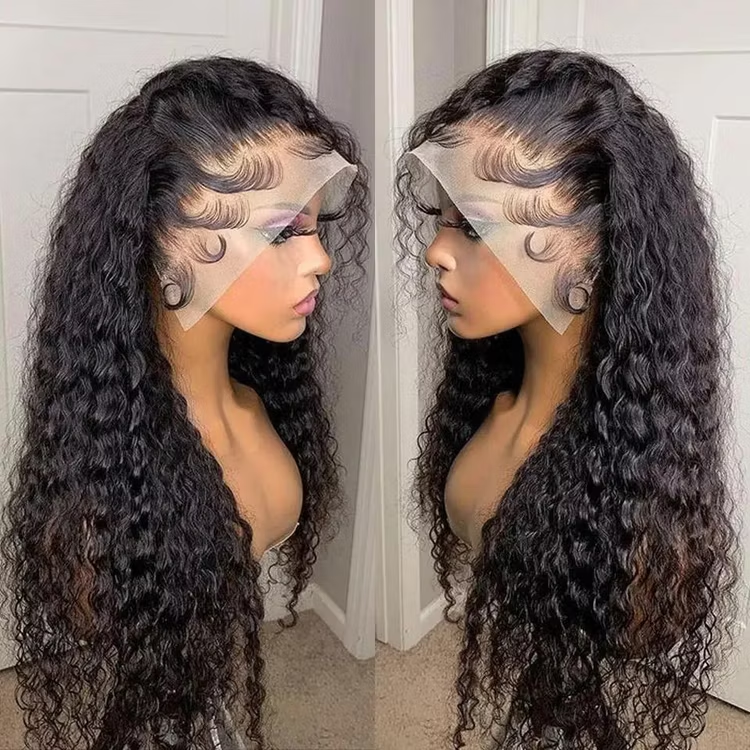
Wigs are often overlooked as a stylish and versatile choice. Today’s wigs are anything but old-fashioned. Lace-front and full-lace wigs provide full coverage, are breathable, and can be styled however you like. For women in the USA experiencing significant thinning or hair loss, wigs can be both a beauty boost and a confidence lifter.
Look for human hair wigs with adjustable caps and natural hairlines. Brands like RPGShow and HairVivi are known for their natural-looking wigs that blend seamlessly—even for beginners.
How to Choose the Right Option
When selecting hair extensions and wigs, keep the following in mind:
-
Hair density: Match the extension’s thickness to your natural density.
-
Lifestyle: Do you want something daily, occasional, or permanent?
-
Budget: While human hair is pricier, it lasts longer and looks more natural.
For locals in the USA, especially in cities with harsh weather conditions, opting for low-maintenance options like halo or wigs may offer the most flexibility.
Maintenance Tips for Thin Hair Extensions
-
Use sulfate-free, gentle shampoos.
-
Avoid excessive heat styling.
-
Detangle with a wide-tooth comb from tips to roots.
-
Sleep with a silk bonnet or pillowcase.
-
Visit a stylist every 6-8 weeks for checkups if you wear semi-permanent extensions.
These tips ensure your hair extensions and wigs last longer and keep your natural hair healthy.
Final Thoughts
Finding the best hair extension type for thin hair doesn’t have to be overwhelming. By choosing the right method—whether it’s seamless tape-ins, easy halo extensions, or full-coverage wigs—you can enjoy volume and style without compromising your hair’s health.
Looking for premium-quality hair extensions and wigs tailored to your needs? Browse our hand-picked collection now and discover your perfect match.
FAQs
1. What are the best hair extensions for very thin hair?
The best types are tape-in and halo extensions because they’re lightweight and don’t stress the hair. These hair extensions and wigs provide volume without damage.
2. Can I wear clip-in extensions daily with thin hair?
It’s not recommended to wear clip-ins daily on thin hair. The clips can pull at the roots over time. Limit use to special occasions and choose lightweight versions of hair extensions and wigs.
3. Are wigs better than extensions for thinning hair?
Yes, in many cases. Wigs offer full coverage, protect natural hair, and are easy to manage—especially for women in the USA seeking low-maintenance options in humid or dry climates.
4. Will hair extensions cause more hair loss if I have thin hair?
The wrong type might. Heavy or poorly installed hair extensions and wigs can lead to traction alopecia. Always choose gentle methods and certified stylists.
5. Where can I buy quality hair extensions and wigs in the USA?
You can shop online from top USA-based retailers like Bellami, Luxy Hair, or visit trusted salons offering personalized consultations and ethically-sourced products.
Discover more from Butterfly Tiff's Beauty Boutique
Subscribe to get the latest posts sent to your email.