
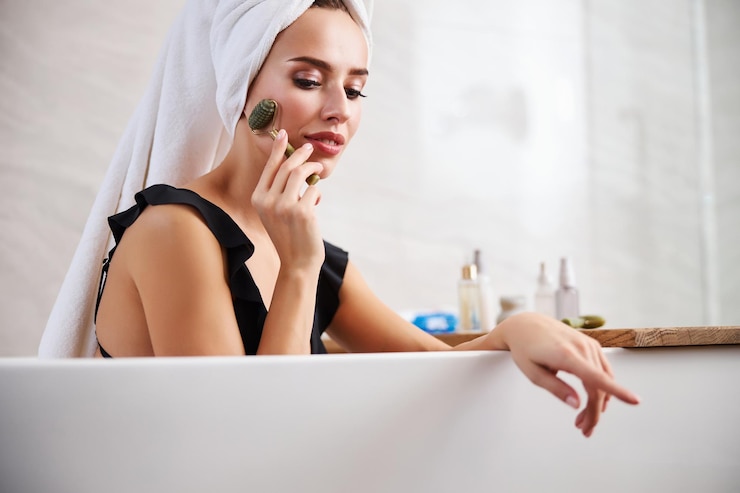
In the growing world of beauty and skincare, there’s one trend that’s here to stay: clean beauty. More people across the USA are choosing products with safe, non-toxic ingredients—and for good reason. As awareness grows about the potential harm of certain chemicals in traditional skincare, clean beauty has become more than a trend. It’s a movement toward transparency, wellness, and better skin health.
But what does “clean beauty” really mean? And why should you be paying attention to what’s in your skincare products? This post breaks it all down so you can make informed choices and build a beauty and skincare routine that actually benefits your skin—not harms it.
What Is Clean Beauty?
Clean beauty refers to products made without ingredients that are known or suspected to harm your health. These may include parabens, sulfates, phthalates, formaldehyde, and synthetic fragrances. Instead, clean beauty brands focus on using naturally derived ingredients, safer synthetics, and full transparency on their labels.
In the USA, where regulations on cosmetic ingredients are surprisingly loose compared to other countries, choosing clean beauty and skincare products gives you more control over what you’re putting on your body. According to the Environmental Working Group (EWG), the FDA does not require approval before cosmetics go to market—leaving many harmful ingredients unchecked (source).
Why Harsh Chemicals Are a Problem
Many mainstream beauty and skincare products contain chemicals that may provide quick results—but at a cost. For example:
-
Parabens, used as preservatives, are known endocrine disruptors that may affect hormone balance.
-
Sulfates, like SLS and SLES, create lather but can strip your skin of natural oils and cause irritation.
-
Synthetic fragrances often contain hundreds of undisclosed chemicals, some of which are allergens or toxins.
If you’ve ever experienced unexplained breakouts, redness, or irritation, your products might be the cause. And for people in the USA dealing with varied climates—humid summers, dry winters—these ingredients can worsen skin sensitivity.
Switching to clean beauty and skincare helps reduce the risk of long-term skin damage and exposure to toxins.
The Benefits of Clean Beauty and Skincare
Choosing clean beauty isn’t just about avoiding what’s harmful—it’s also about embracing what’s effective and nourishing.
-
Better skin health: Natural ingredients like aloe vera, jojoba oil, and green tea extract support your skin barrier rather than break it down.
-
Fewer reactions: Clean products are often free of common irritants and allergens, making them ideal for sensitive skin types.
-
Eco-conscious: Clean beauty is often linked to ethical sourcing, cruelty-free practices, and environmentally friendly packaging.
-
Transparency: Clean brands usually list every ingredient, helping you make better choices.
For beauty and skincare enthusiasts in the USA, supporting clean brands also means backing safer industry standards and local, ethical businesses.
How Clean Beauty Supports Healthier Beauty and Skincare
Clean beauty isn’t just good for your face—it can benefit your entire lifestyle. Your skin absorbs up to 60% of what you apply to it, and over time, these chemicals can accumulate. For residents in urban areas like New York, Los Angeles, or Chicago, exposure to pollution combined with toxic skincare can accelerate aging and skin damage.
Integrating clean beauty and skincare into your daily routine is a proactive step toward long-term wellness. Instead of masking problems, clean products aim to heal, balance, and protect your skin naturally.
Start with core products like cleansers, moisturizers, and sunscreens. Brands like Beautycounter, Ilia, and True Botanicals are clean beauty leaders available across the USA and online.
Ingredients to Avoid in Beauty and Skincare
To make smarter decisions, here are a few ingredients you may want to avoid:
-
Parabens – Preservatives linked to hormone disruption.
-
Phthalates – Found in fragrances; linked to reproductive issues.
-
Sodium Lauryl Sulfate (SLS) – Strips skin’s natural oils.
-
Formaldehyde-releasing agents – Preservatives known to cause allergic reactions.
-
Synthetic dyes and fragrances – Can cause irritation and are often unnecessary.
Use tools like the EWG Skin Deep database or Think Dirty app to check the safety of products sold in the USA.
Making the Switch to Clean Beauty
You don’t need to throw out everything at once. Transitioning to clean beauty and skincare can be gradual:
-
Start with products you use daily, like moisturizer and cleanser.
-
Read labels carefully and avoid buzzwords like “natural” that aren’t regulated.
-
Choose brands that offer ingredient transparency.
-
Patch-test new products before applying them to your whole face.
Clean beauty is not just about appearance—it’s about safety, self-care, and long-term results.
Final Thoughts
Beauty and skincare should enhance your health, not compromise it. As more consumers across the USA wake up to the risks of harsh chemicals, clean beauty is gaining ground—and for good reason. It’s effective, safe, and kind to both your skin and the planet.
If you’re ready to simplify your skincare and focus on what truly works, start exploring our curated selection of clean beauty products today. Your skin will thank you.
FAQs
1. Why is clean beauty important in my beauty and skincare routine?
Clean beauty helps reduce exposure to harmful chemicals and supports long-term skin health. It’s especially relevant in the USA where product regulations are limited.
2. Are clean beauty and skincare products less effective than traditional ones?
Not at all. Many clean products use advanced formulations with powerful natural ingredients. They deliver results without compromising your health.
3. How do I know if a product is truly clean?
Check for transparent labeling, avoid synthetic fragrances, and look for certifications like EWG Verified. Many USA brands now focus on ingredient honesty.
4. Can clean beauty help with sensitive or acne-prone skin?
Yes. Clean beauty and skincare often exclude common irritants that trigger breakouts or redness, making them a great option for sensitive skin types.
5. Where can I buy clean beauty products in the USA?
Stores like Sephora (Clean at Sephora section), Target’s clean beauty aisle, and online platforms like Credo Beauty and The Detox Market are great places to start.